
Enjoy the best weather in Costa Rica in the sunny season—Quepos and Manuel Antonio offer sunshine, warmth, and luxury adventures, while cold fronts affect only northern regions.
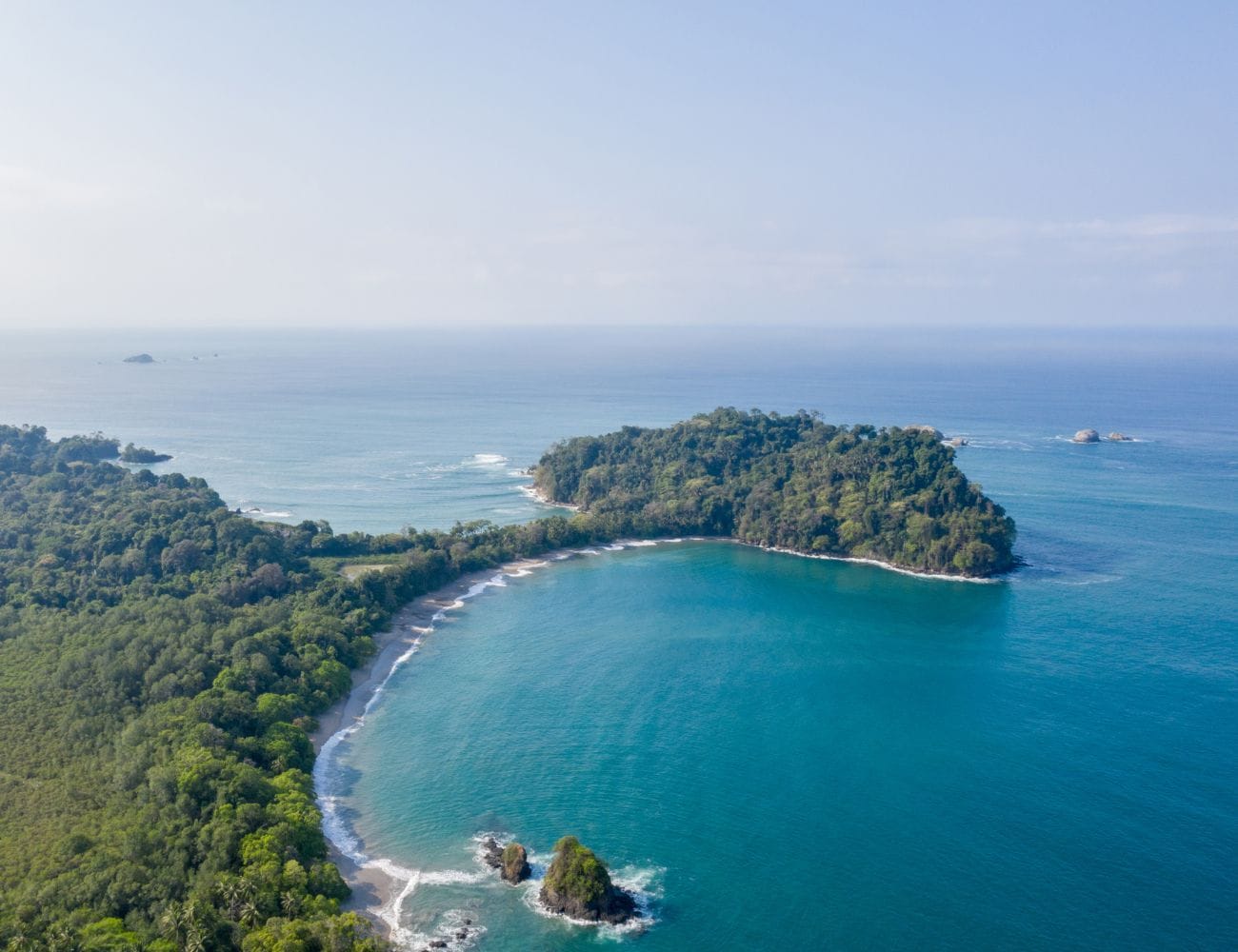
When planning your luxury escape to Costa Rica, understanding the weather in Costa Rica in the sunny season is essential for crafting the perfect itinerary. Whether you’re dreaming of sun-drenched beaches, misty mountaintops, or lush rainforests, knowing what to expect will help you make the most of your trip. At Epic Adventures Costa Rica, we specialize in exceptional experiences around Quepos and Manuel Antonio—while ensuring you’re prepared if your travels take you to the north or highlands.
The Sunny Season in Costa Rica: A Golden Opportunity
Costa Rica’s year is divided into two main seasons: the dry season (commonly called the “sunny season”) and the rainy or “green” season. The sunny season in Costa Rica typically runs from mid‑December to April, drawing travelers seeking warmth and sunshine while much of the northern hemisphere endures winter.
Why Visit During the Sunny Season?
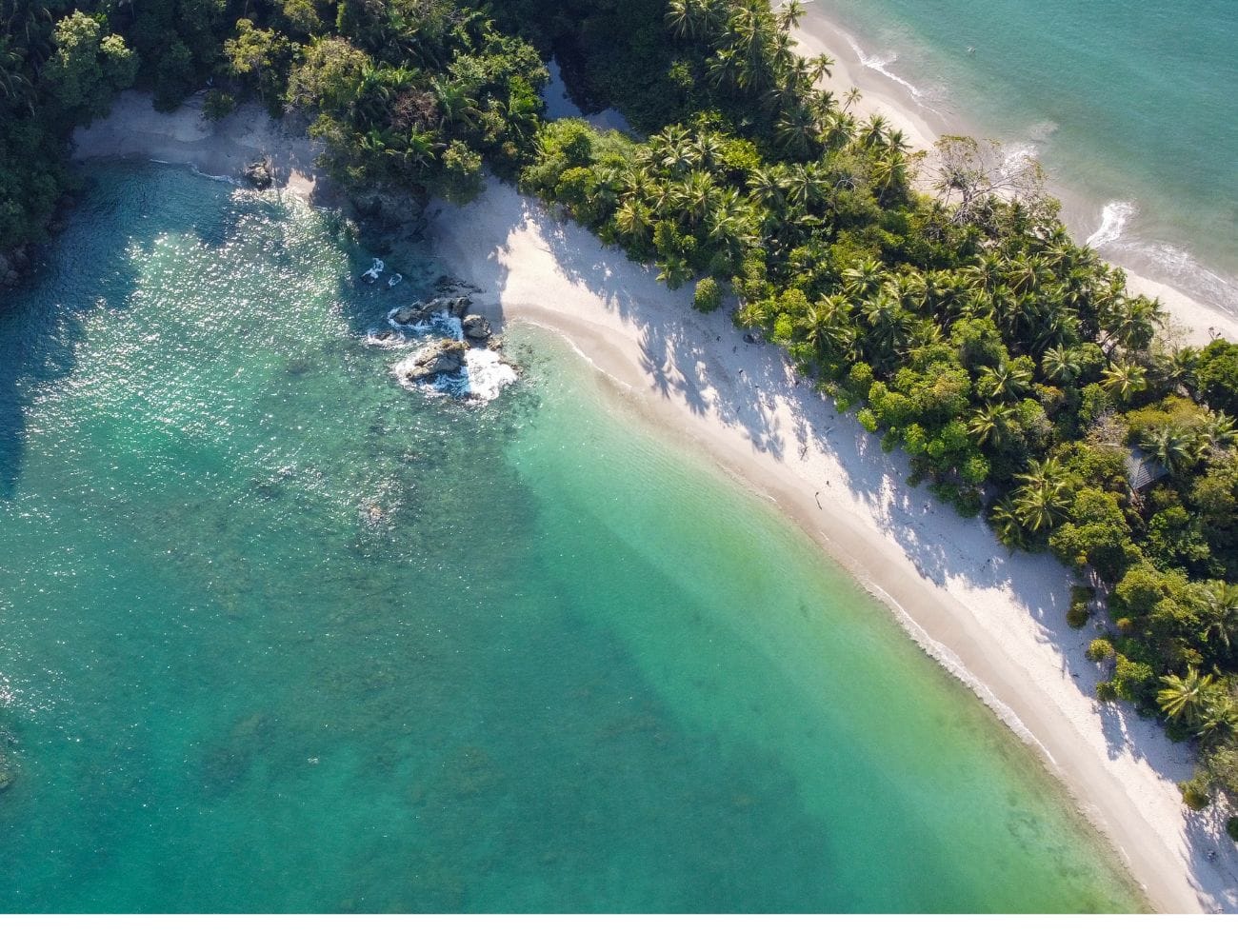
- Consistent Sunshine: The Pacific coast, particularly Quepos and Manuel Antonio, enjoys clear skies, warm temperatures, and minimal rainfall—perfect for beach lounging, wildlife watching, and exploring.
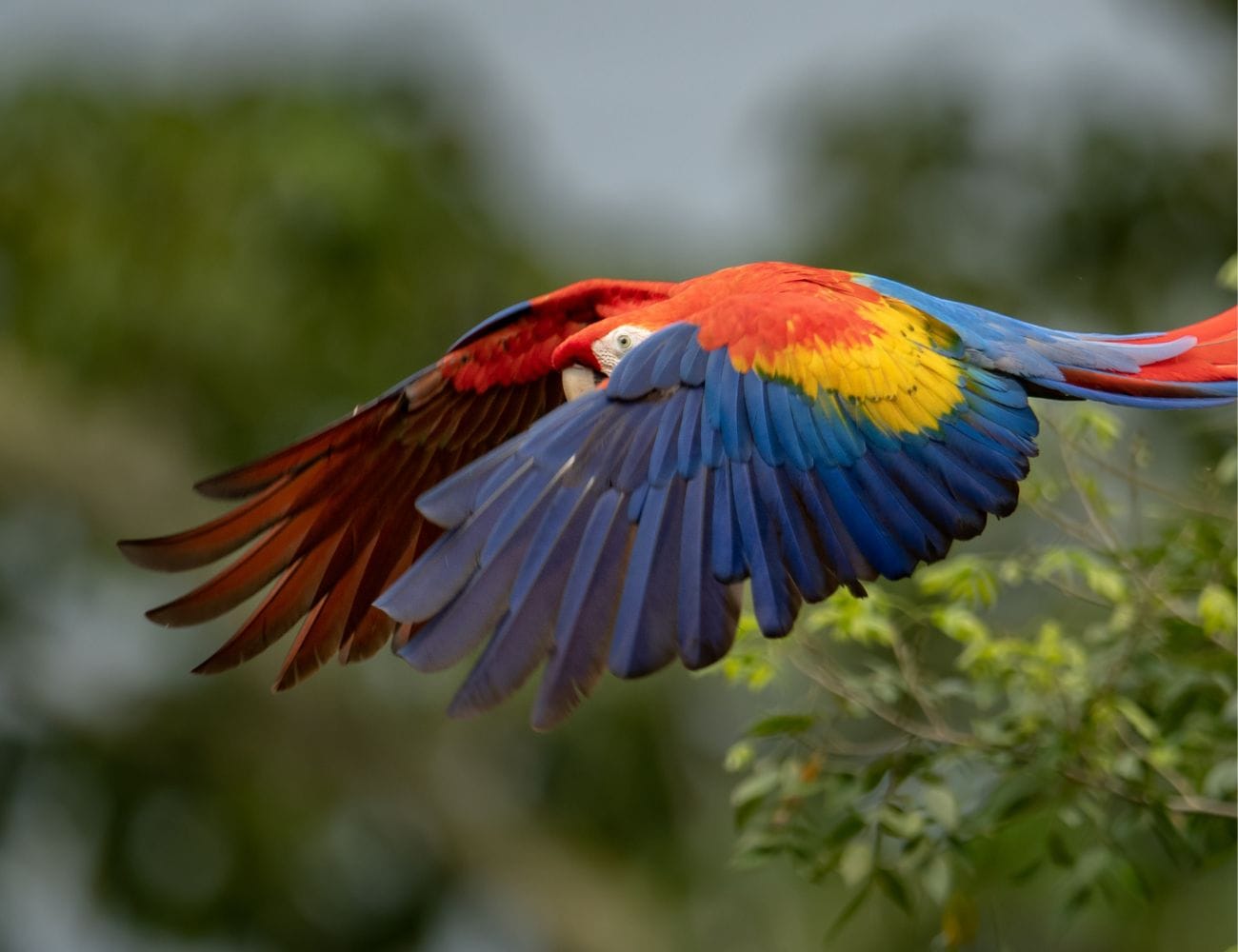
- Wildlife Viewing at Its Best: With less rain, animals are easier to spot. Manuel Antonio National Park is especially vibrant, with sloths, monkeys, and colorful birds frequently seen.
- Ideal Ocean Conditions: The sea is calm and inviting, perfect for swimming, snorkeling, and water adventures.
- Festive Vibe: This season coincides with local celebrations, festivals, and a lively atmosphere that adds charm to your stay.
Weather in Quepos & Manuel Antonio: Sun, Serenity, and Sophistication
If you’re curious about the weather in Costa Rica in the sunny season for Quepos and Manuel Antonio, you’re in for a treat:
- Temperature: Daytime highs typically range from 28–32 °C (82–90 °F), with pleasant coastal breezes. Evenings remain comfortable, rarely dipping below 22 °C (72 °F).
- Rainfall: Rain is rare—and when it does fall, it’s usually a short, refreshing shower.
- Humidity: Though Costa Rica can be humid, the dry season brings lower humidity levels that make outdoor activities more enjoyable.
This climate creates a perfect blend of sun and warmth, making Quepos and Manuel Antonio a go-to destination for luxury travelers seeking both relaxation and adventure.
Cold Fronts in Costa Rica: What They Are and Where They Hit
While the Pacific coast basks in sunshine, it’s important to understand how cold fronts can impact other regions of Costa Rica—especially if your itinerary includes places like Monteverde, La Fortuna, or Rio Celeste.

What ‘s a Cold Front?
In Costa Rica, a “cold front” refers to a weather system that brings cooler temperatures, stronger winds, and occasional rain—primarily affecting the Caribbean Coast, northern lowlands, and mountain areas. These “cold” periods are mild compared to temperate zones but noticeable when contrasted with the sunny, warm coast.
When and Where Do They Occur?
- Timing: Cold fronts are most common from December to February, aligning with the sunny season on the Pacific coast.
- Regions Affected: The Caribbean Coast, La Fortuna (Arenal Volcano area), Río Celeste, Sarapiquí, and highland mountain towns like Monteverde often experience increased winds, cloud cover, and mist.
- Form of Impact: In the north and mountains, these fronts typically manifest as gusty winds and cooler temperatures rather than heavy rain.
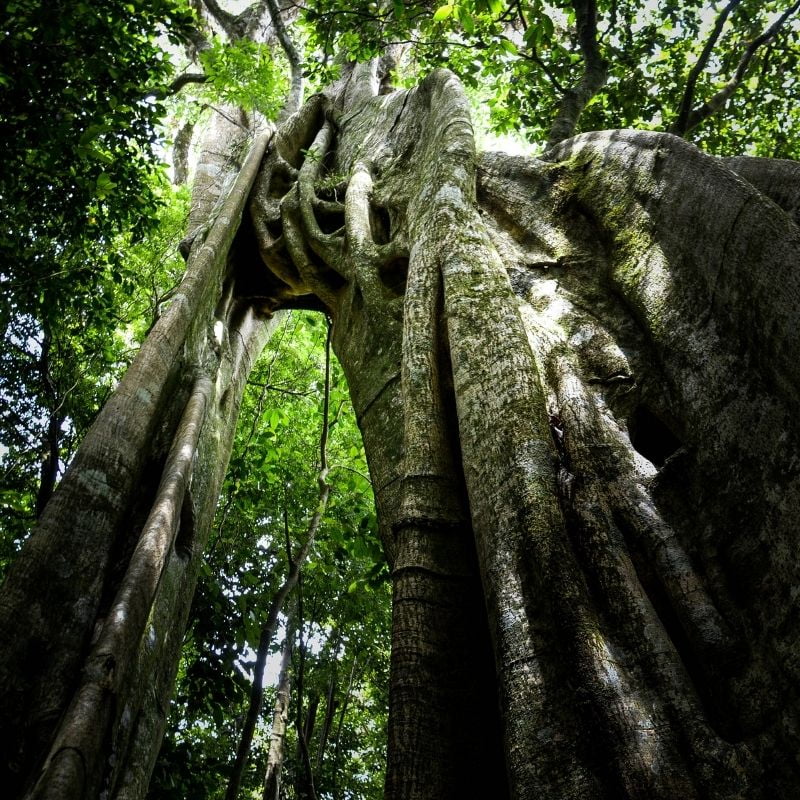
Does This Affect Quepos, Manuel Antonio, or Corcovado?
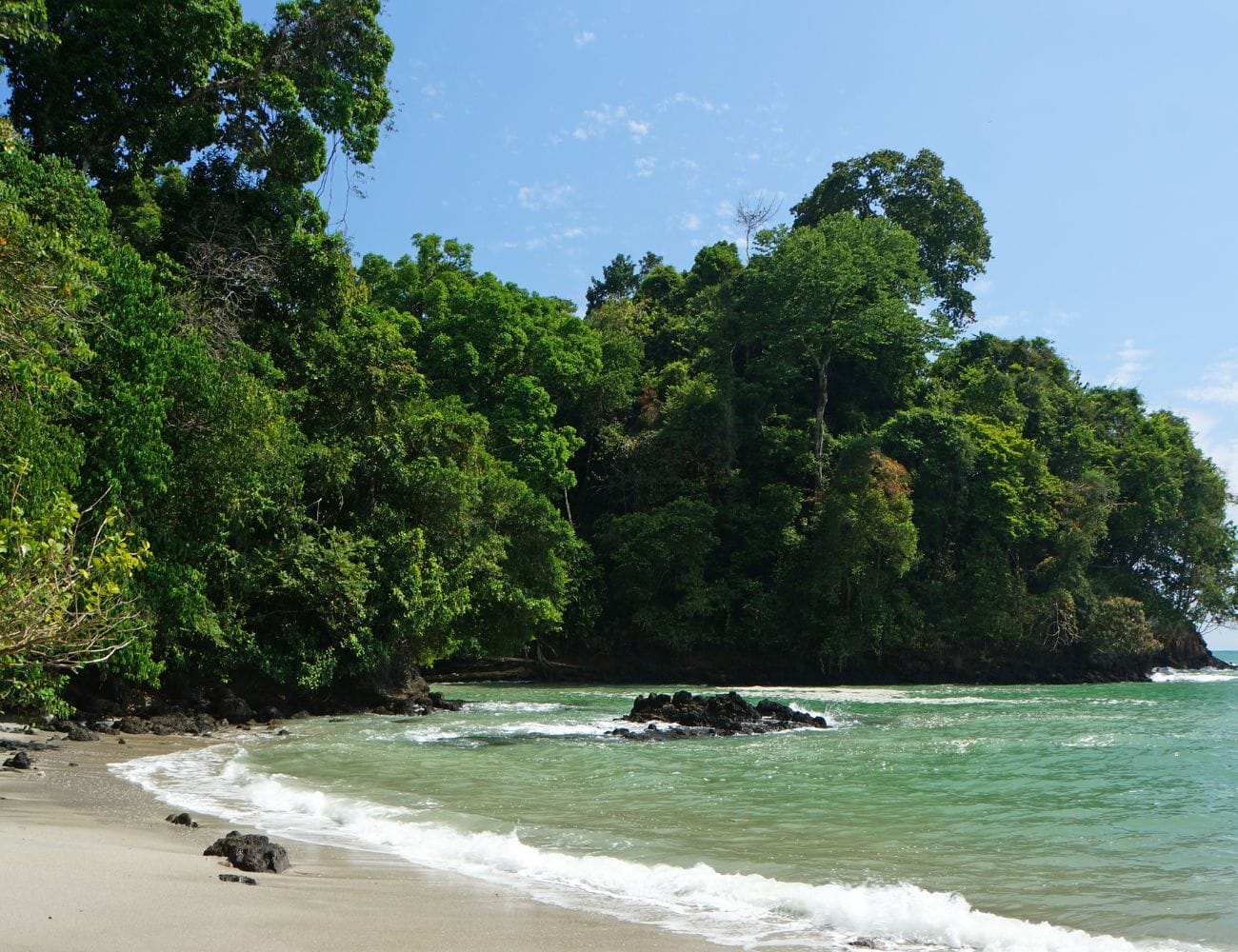
Not at all—Quepos and Manuel Antonio remain as beautiful as ever, shielded from the effects of cold fronts by geography and local climate patterns. The Pacific coast continues to offer warm, sunny, and calm conditions even when northern or Caribbean areas are experiencing weather shifts. Similarly, the southern Osa Peninsula’s Corcovado basks in the warmth of the sunny season, largely unaffected by northern cold fronts.
What to Pack and Plan For: Coastal vs. Highland Adventures
If your journey includes both the Pacific coast and northern or mountainous regions, here are some packing tips to ensure comfort across diverse climates:
For Quepos, Manuel Antonio, and Corcovado:
- Lightweight, breathable clothing
- Swimwear, sun hats, and high-SPF sunscreen
- Sandals and comfortable walking shoes
- Sunglasses and a reusable water bottle
For Northern Highlands and Caribbean Zones (e.g., La Fortuna, Monteverde, Sarapiquí):
- Light waterproof jacket or windbreaker
- Layers for cooler mornings and evenings
- Sturdy hiking shoes (it can be muddy or slippery)
- Compact rain poncho or umbrella
What are the best tours in Manuel Antonio?
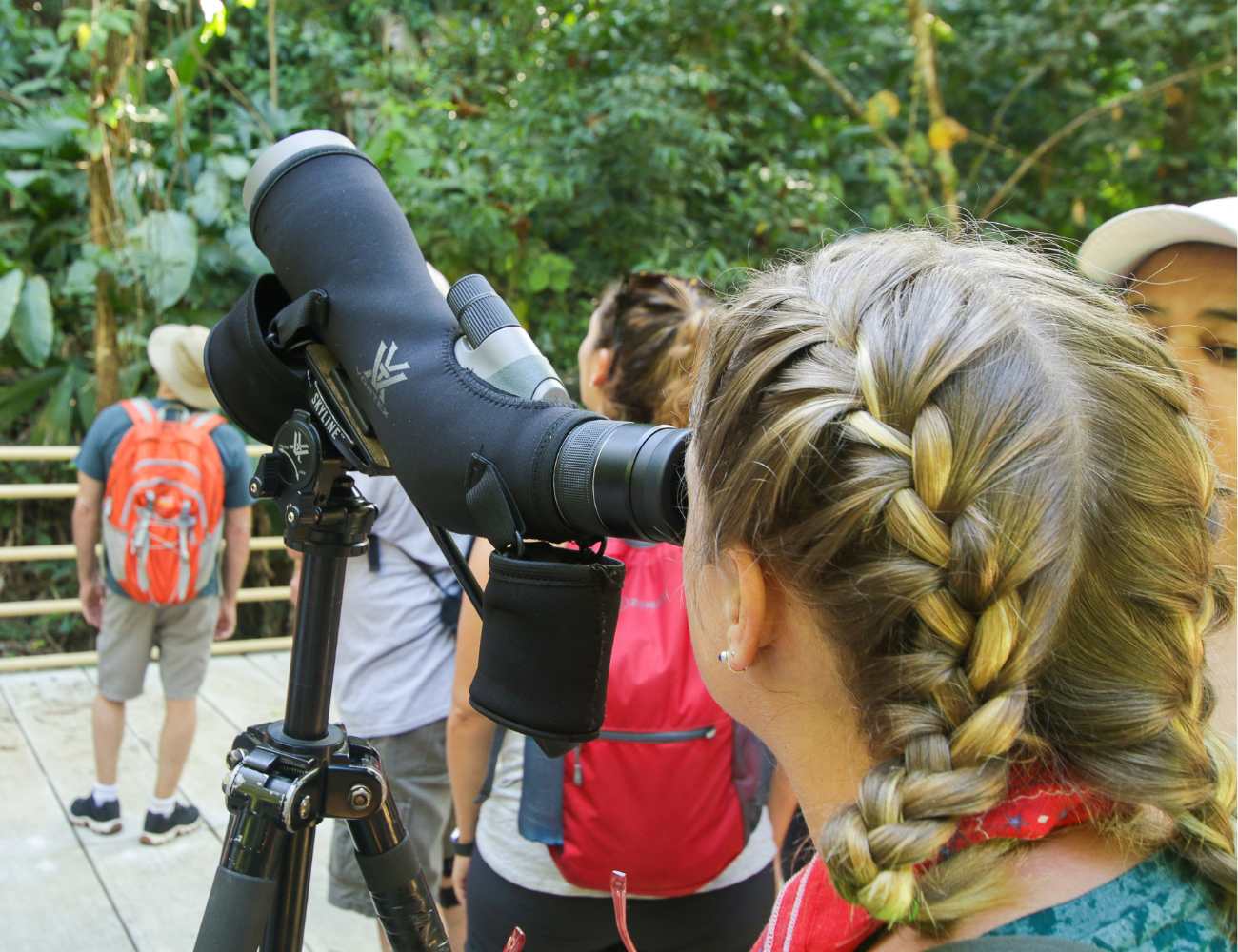
Suggested Luxury Tours with Epic Adventures Costa Rica
To help you experience the best of Quepos and Manuel Antonio—whether basking in the sun or exploring hidden gems—here are some recommended tours from Epic Adventures Costa Rica:
- Manuel Antonio National Park Guided Tour: A 2.5-hour guided hike through the park with wildlife spotting and ocean vistas, followed by beach time.
- Damas Mangroves Kayak Tour: Paddle through tranquil mangrove estuaries, spot white-faced monkeys, and enjoy a classic Costa Rican lunch.
- Rainmaker Park Nature Hike: Just a 30-minute drive away, explore suspension bridges, canopy views, and a central waterfall.
- Corcovado National Park from Manuel Antonio: Travel via Sierpe Mangroves for a boat ride, wildlife sightings, and guided hikes in Costa Rica’s crown jewel.
- Manuel Antonio Night Hike: Discover nocturnal wildlife with a guided night walk through the rainforest.
- Sea Kayaking Tour : Kayak through protected coves, snorkel in secluded bays, and relax with tropical fruits and coconut water.
- Nauyaca Waterfalls Day Tour: A jungle hike, refreshing swim, and lunch near stunning waterfalls.
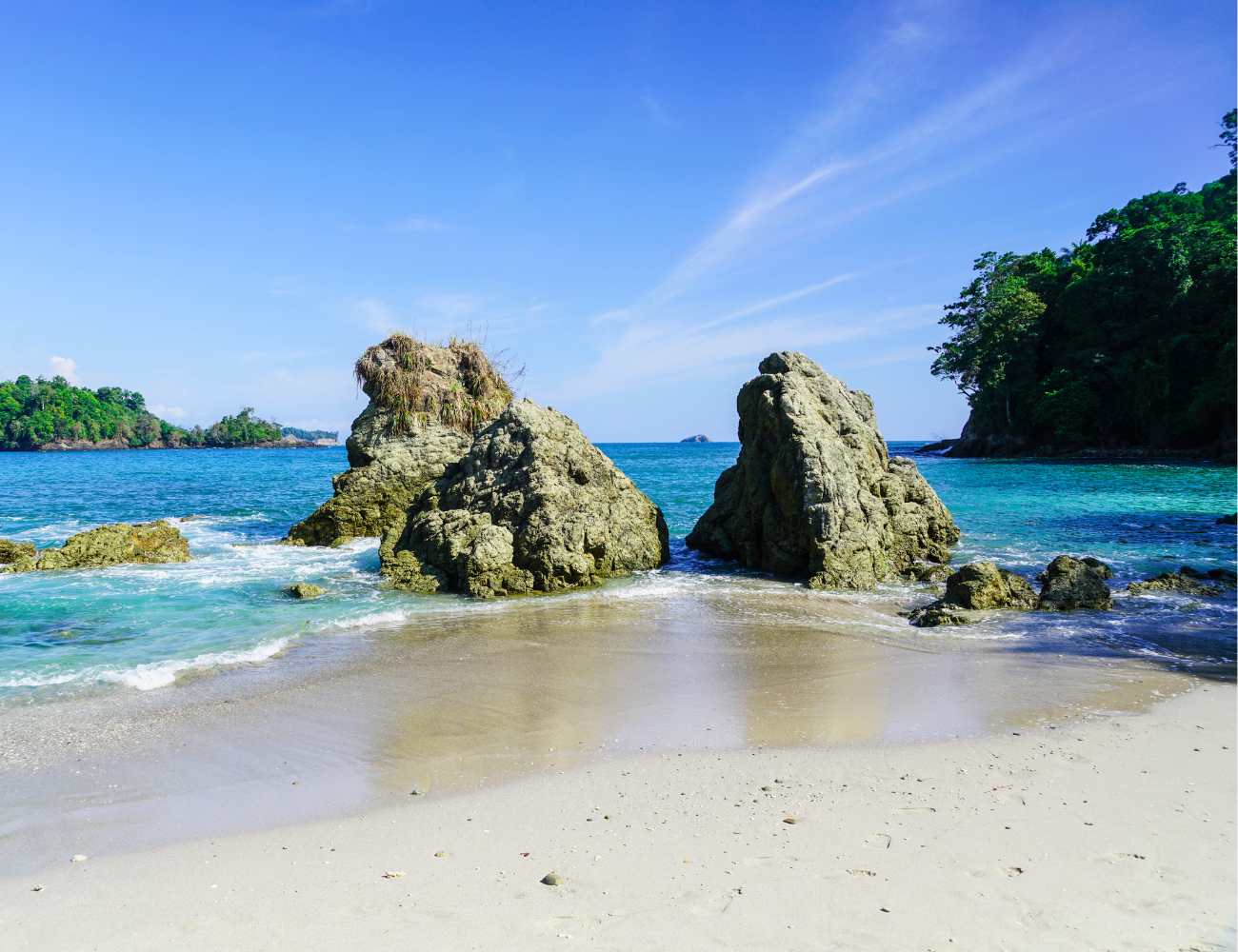
You can find these tours and book them directly through the Epic Adventures Costa Rica website’s “Best Guided Tours in Manuel Antonio” section.
Final Thoughts: Embrace the Sunny Season in Costa Rica
The weather in Costa Rica in the sunny season is truly exceptional—particularly in Quepos, Manuel Antonio, and Corcovado. While cold fronts may bring variable weather to the north and Caribbean regions, your coastal experience remains sunny, warm, and unforgettable.
Whether you’re lounging on pristine beaches, kayaking through mangroves, hiking to hidden waterfalls, or exploring Corcovado’s biodiversity, the sunny season promises luxury, adventure, and serenity.
Ready to plan your epic getaway? Contact us today to craft a custom itinerary that combines sun, comfort, and unforgettable experiences—tailored just for you.
References & Further Reading
Instituto Meteorológico Nacional de Costa Rica (IMN).
“Clima en Costa Rica.” IMN, 2024.
https://www.imn.ac.cr/Visit Costa Rica – The Official Site of Costa Rica Tourism Board (ICT).
“When is the Best Time to Visit Costa Rica?”
https://www.visitcostarica.com/en/costa-rica/planning-your-trip/when-to-visitLonely Planet.
“Best Time to Visit Costa Rica.” Lonely Planet, 2024.
https://www.lonelyplanet.com/costa-ricaNational Geographic Travel.
“Costa Rica Weather and Climate.” National Geographic, 2024.
https://www.nationalgeographic.com/travel/destinations/north-america/costa-rica/Epic Adventures Costa Rica.
“Best Guided Tours in Manuel Antonio & Quepos.” Epic Adventures Costa Rica, 2024.
https://epicadventurescr.com/Arenal.net.
“Weather in Arenal, Costa Rica.” Arenal.net, 2024.
https://www.arenal.net/weather.htmCosta Rica Guide.
“Costa Rica Weather Patterns.” Costa Rica Guide, 2024.
https://costa-rica-guide.com/travel/weather/costa-rica-weather/

