
The Importance of Wildlife Passes on Costa Rican Highways is visible and a novel and consistent reality on our roads and highways.
Costa Rica is world renowned for its rich biodiversity and commitment to environmental conservation. However, infrastructure development, especially roads, has posed a significant challenge to local wildlife. With the expansion of road networks, animals face increasing risks when crossing roads in search of food, water, or nesting areas. To address this issue,
Costa Rica is taking an important step towards the implementation of mandatory wildlife crossings in its road infrastructure projects.
An Innovative Bill
On April 24, 2026, Costa Rica’s Legislative Assembly approved in first instance a bill requiring the inclusion of wildlife crossings in the country’s highways. This initiative, promoted by legislator Ariel Robles Barrantes of the Frente Amplio, seeks to ensure that wildlife protection is a priority from the planning stage of public works, rather than being treated as a secondary concern once damage has already occurred. The main objective is to reduce animal deaths on roads and protect ecological corridors that are essential for the connectivity of the country’s ecosystems [1]. 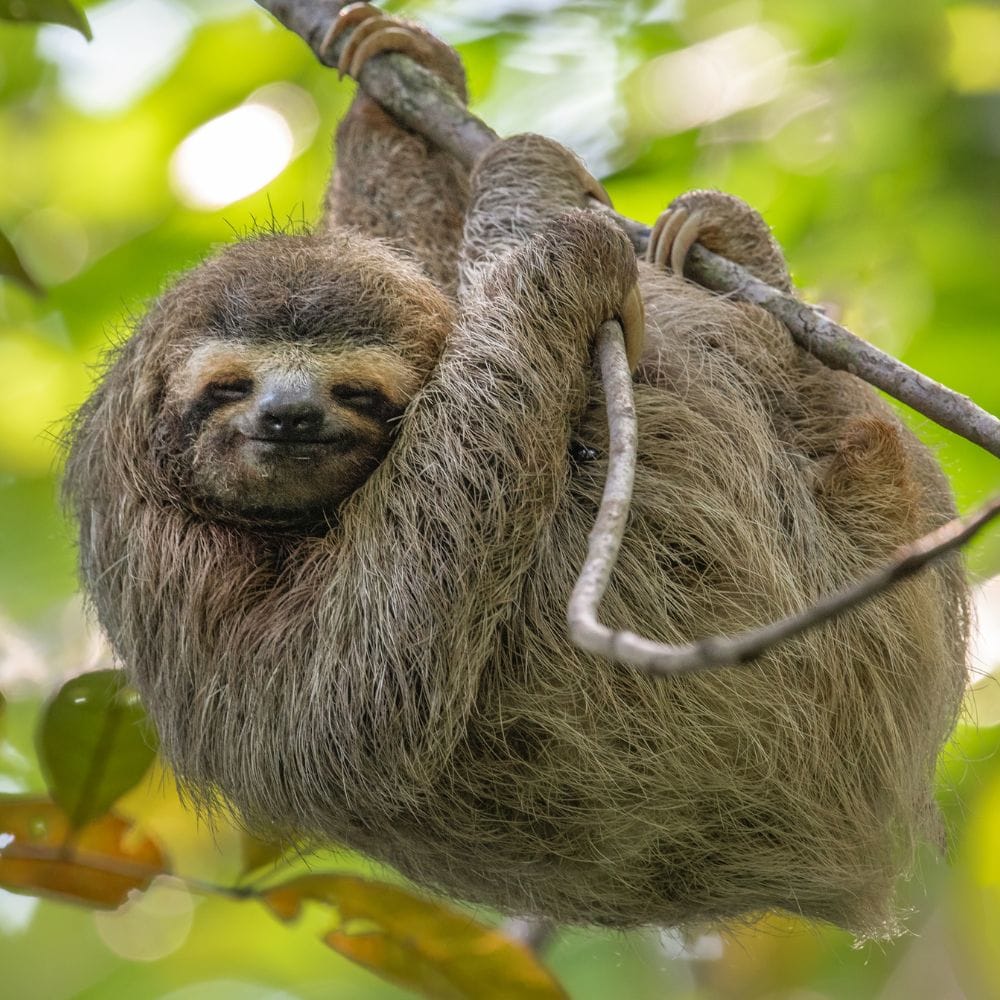
What Are the Wildlife Passes on Costa Rica’s highways, and Why Are They Important?
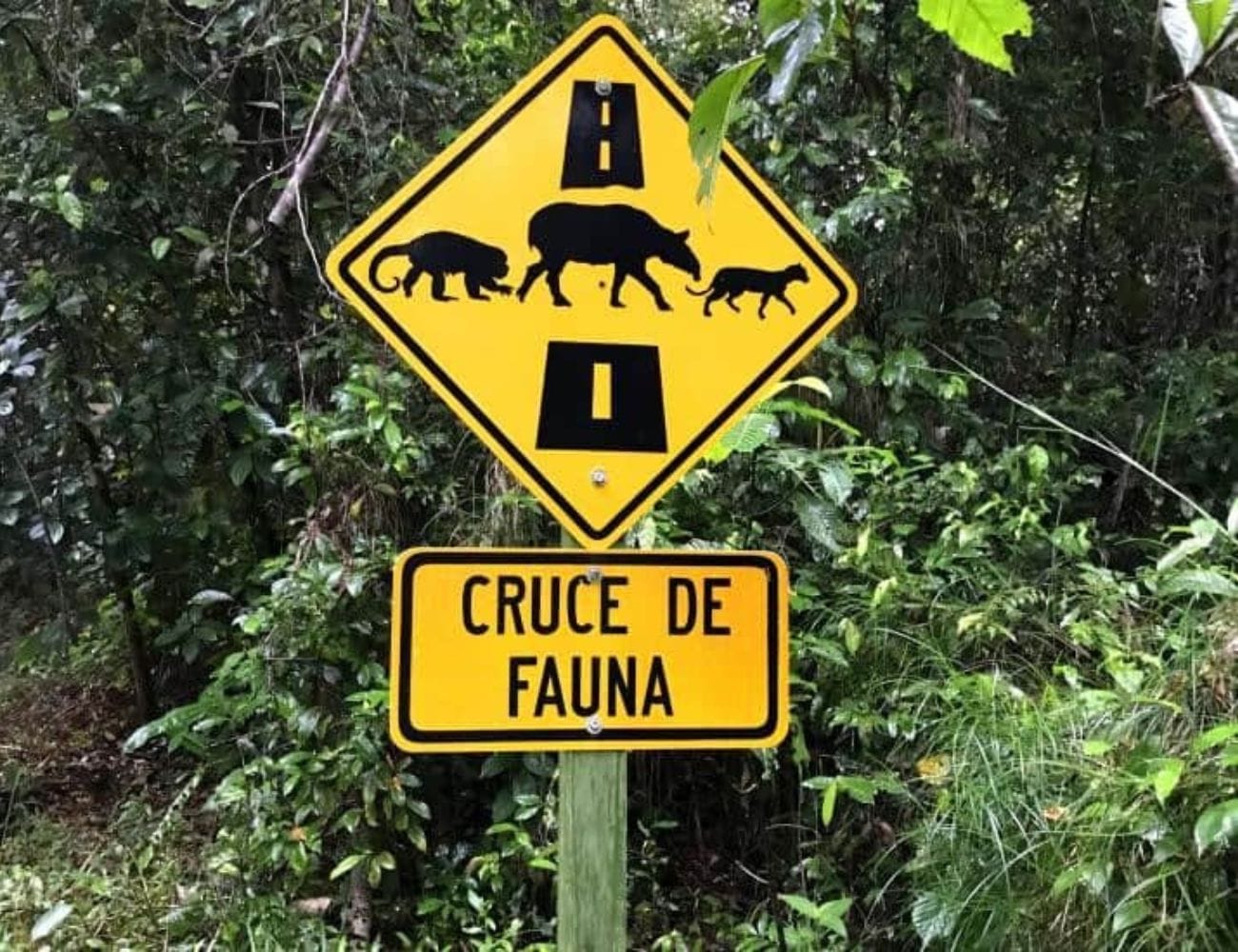
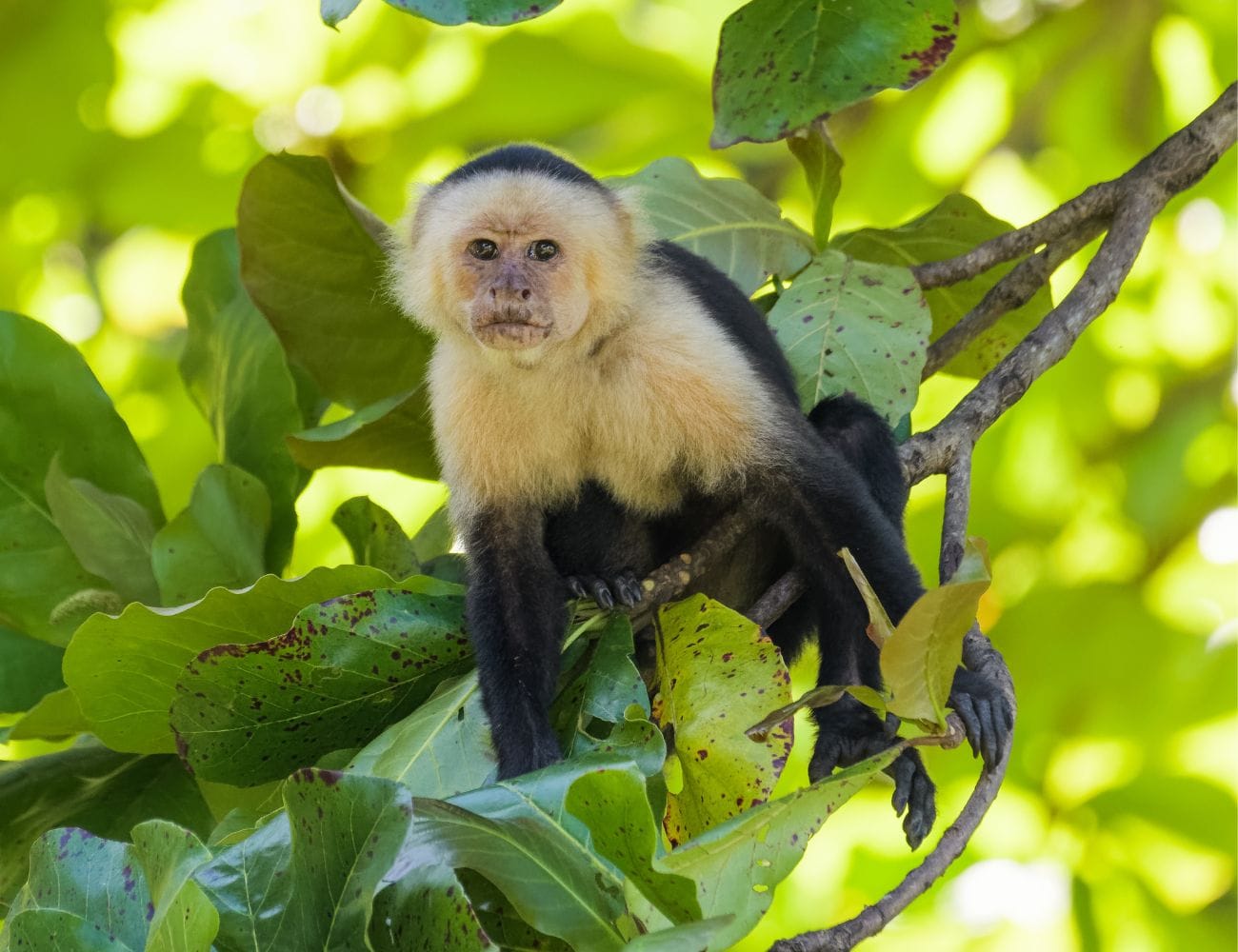
Wildlife crossings are structures specifically designed to allow animals to cross roads safely. These may include overhead bridges, underpasses, adapted culverts or tunnels, depending on the species and characteristics of the area. In Costa Rica, these structures are essential for species such as monkeys, sloths, jaguars, tapirs and a wide variety of reptiles and birds. Many of these species need to move between different areas to access vital resources, find mates or maintain the genetic diversity of their populations.
Without these measures, roads act as barriers that fragment habitats, limiting animal mobility and increasing the risk of roadkill. According to recent studies, on national routes such as 160 and 1, the use of wildlife crossings has significantly reduced animal-related traffic accidents while improving ecosystem connectivity [3].
Benefits of Fauna Passes
Reduction of Animal Deaths
In many regions of Costa Rica, animals must cross roads to survive. Without wildlife crossings, these crossings can be deadly. Wildlife crossings not only save animal lives, but also reduce the risk of traffic accidents that could endanger drivers.
2. Conservation of Ecological Corridors
Ecological corridors are areas that connect different habitats, allowing species to interact and move freely. This flow is crucial to maintaining biodiversity and ecosystem health. Wildlife crossings help preserve these corridors, even in areas where human infrastructure disrupts the natural landscape [2].
3. Compliance with Environmental Commitments
By implementing wildlife crossings, Costa Rica reinforces its reputation as a global leader in environmental conservation. Such initiatives are consistent with the country’s image as a sustainable tourism destination, attracting visitors interested in nature and biodiversity [4].
Challenges and Solutions
Although the implementation of wildlife crossings is a significant step forward, the execution of this project will not be without its challenges. One of the main challenges will be to identify critical points on existing roads where animals face greater risks. According to the bill, the National System of Conservation Areas (SINAC) will have 24 months to identify these areas and coordinate the necessary measures [1].
In addition, the construction of wildlife crossings requires a significant investment. However, the long-term benefits, both in terms of biodiversity conservation and reduction of traffic accidents, fully justify the initial cost. Collaboration between public institutions, environmental organizations and the community will be key to the success of this initiative.
Success Stories in Costa Rica
Costa Rica already has experience in the construction of wildlife crossings. For example, aerial bridges for monkeys and other arboreal animals have proven to be effective in reducing roadkill and allowing free movement of species. In the case of National Route 160, underpasses and flyovers have been successfully used by several species, demonstrating the feasibility of these solutions in the local context [3].
A Promising Future for Conservation
The advancement of this bill is a testament to Costa Rica’s commitment to the protection of its natural heritage. If approved in the second instance, the country will have a solid legal framework that will guarantee the inclusion of wildlife crossings in all future road projects, as well as in the improvement of existing infrastructure.
This effort not only benefits wildlife, but also strengthens Costa Rica’s relationship with ecotourism, a key sector for its economy. Tourists who visit the country to enjoy its natural wealth will be able to do so with the peace of mind of knowing that measures are also being taken to protect the species that inhabit these unique ecosystems.
In conclusion, wildlife crossings represent an innovative and necessary solution to balance human development with environmental conservation. Costa Rica, as a leader in sustainability, is leading the way for other nations to follow suit and prioritize harmonious coexistence between nature and infrastructure.
—
Sources:
[1]: [Tico Times – Costa Rica Advances Bill Requiring Wildlife Crossings on Roads](https://ticotimes.net/2026/04/24/costa-rica-advances-bill-requiring-wildlife-crossings-on-roads)
[2]: [Gala – Wildlife-friendly Roads in Costa Rica](https://www.learngala.com/cases/costa-rica-wildlife-crossings/10)
[3]: [IDB Publications – Effectiveness of Crossing Structures for Wildlife on Two Roads](https://publications.iadb.org/en/effectiveness-crossing-structures-wildlife-two-roads-associated-biological-corridors-costa-rica)
[4]: [Mongabay Kids – How Wildlife Crossings Help Animals and Connect Habitats](https://kids.mongabay.com/how-wildlife-crossings-help-animals-and-connect-habitats/)

