


Costa Rica has made the BBC’s list of the top 20 destinations to visit in 2026. The recognition comes as the government advances conservation programs and opens up rural areas to people who value nature and sustainability.
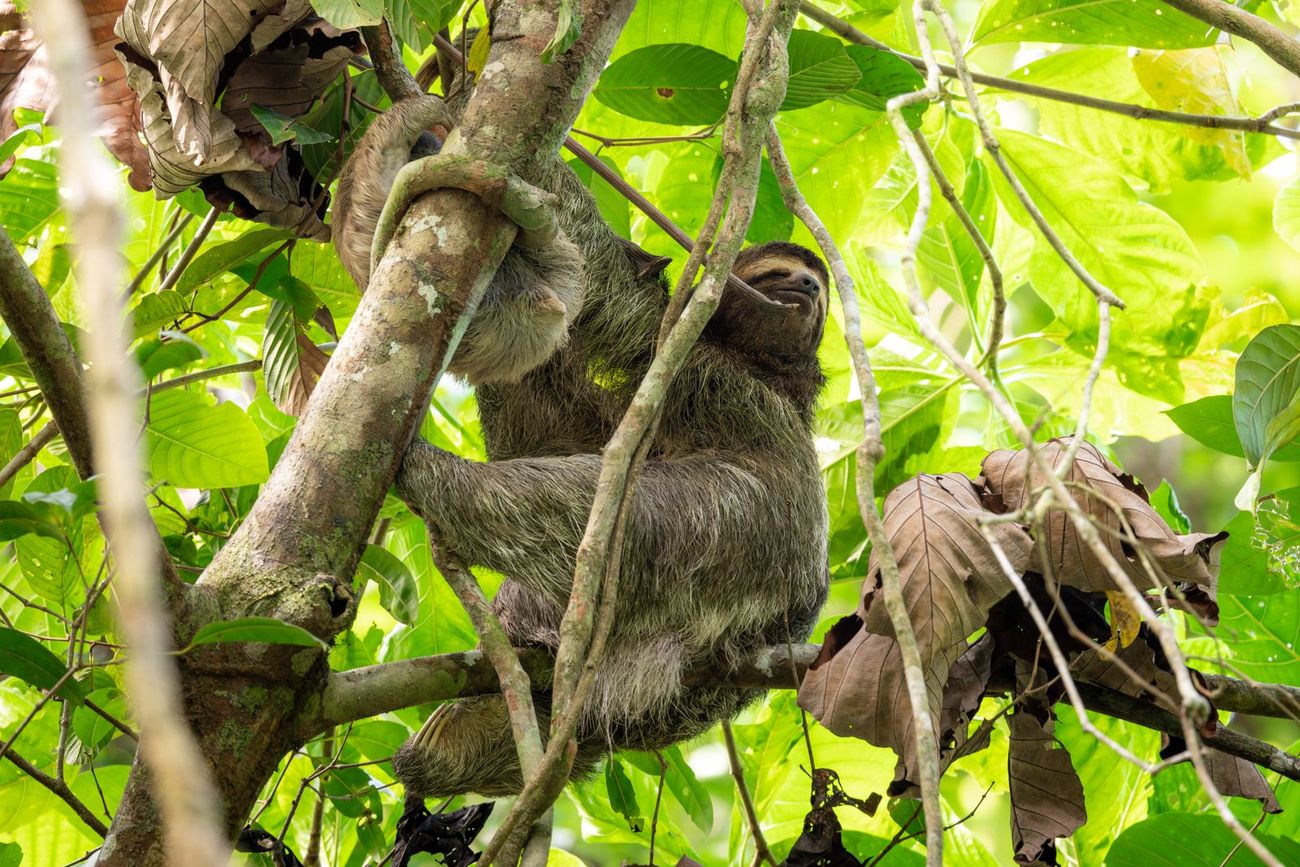
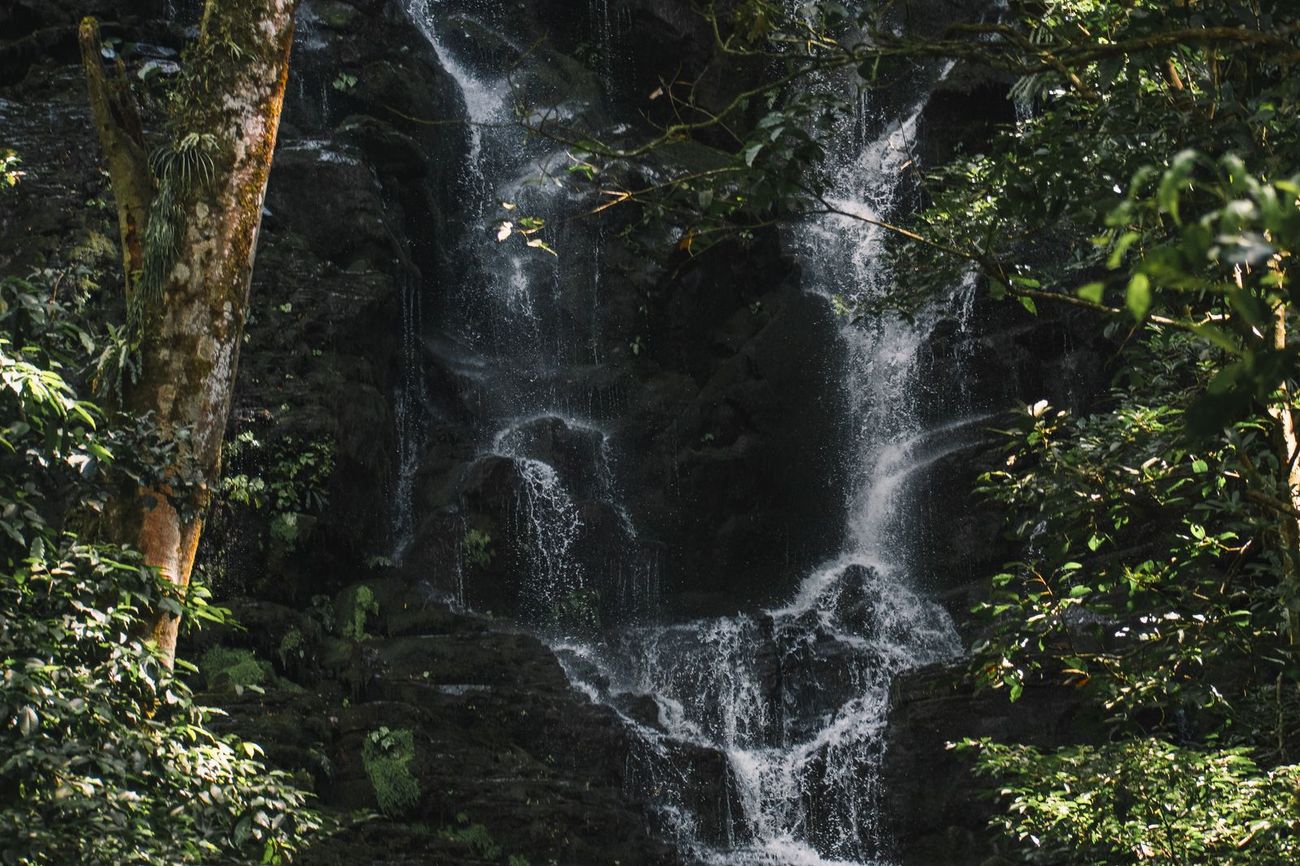
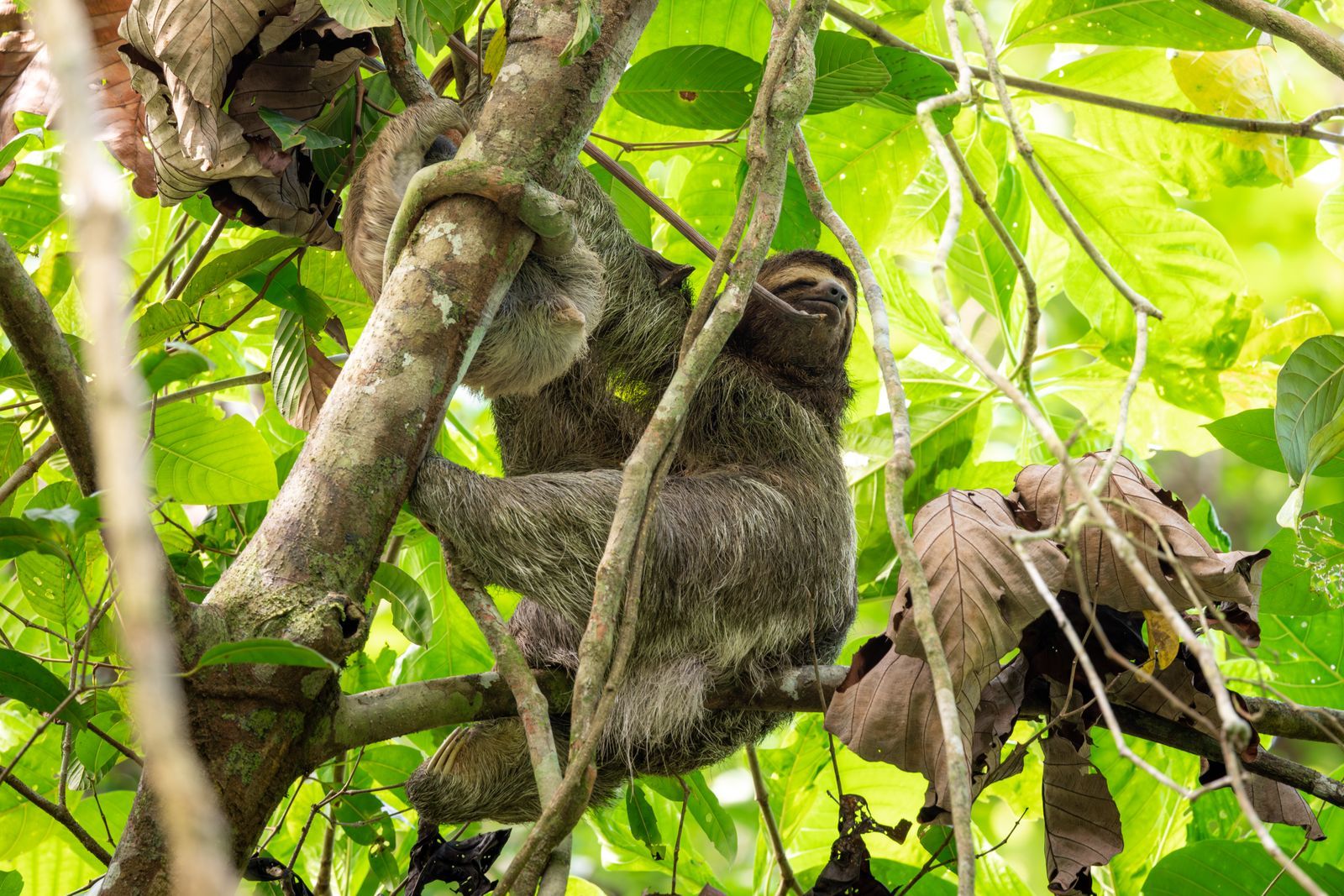
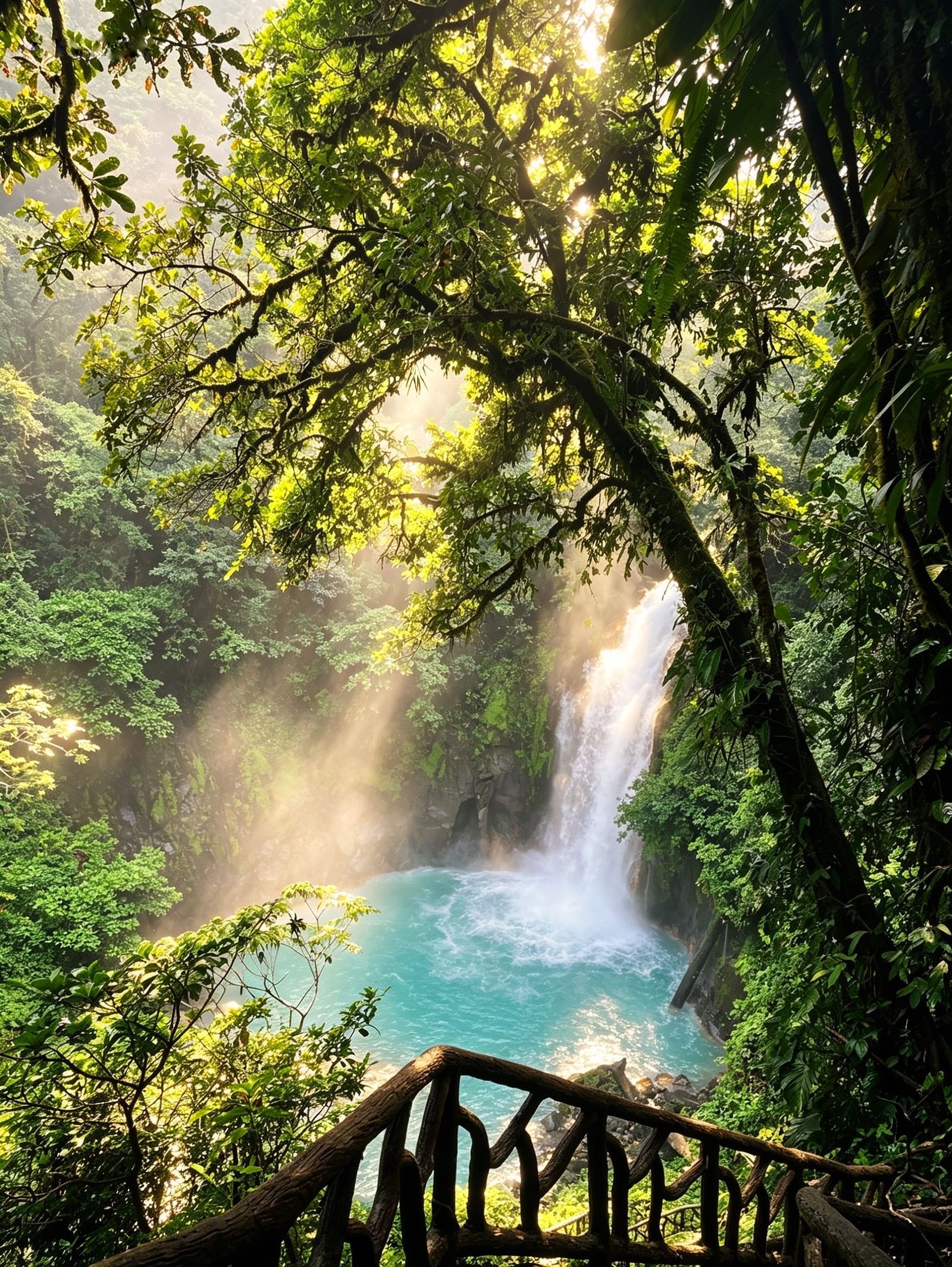
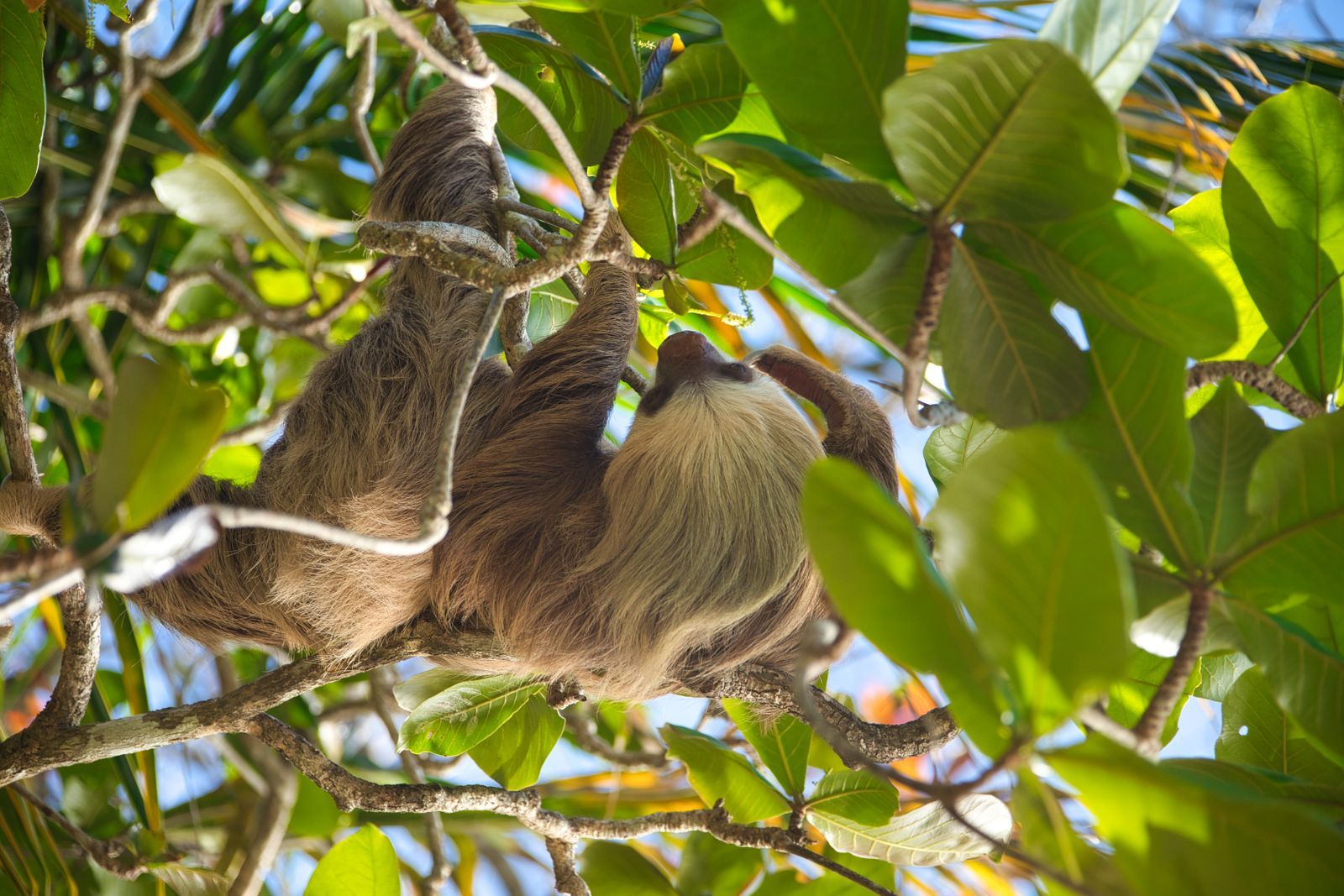
The BBC’s pick prioritizes sites that balance tourism, environmental protection, and community assistance. Costa Rica will showcase its beaches, volcanic landscapes, rainforests, and historical places. Travelers can expect experiences that connect them directly to the land, such as observing wildlife in protected parks or participating in local habitat preservation programs. Costa Rica’s commitment to sustainable tourism has also been highlighted, with eco-friendly accommodations and activities being a key focus for visitors. The country’s dedication to preserving its natural beauty while providing unique and enriching experiences for travelers sets it apart as a top destination for the coming year.

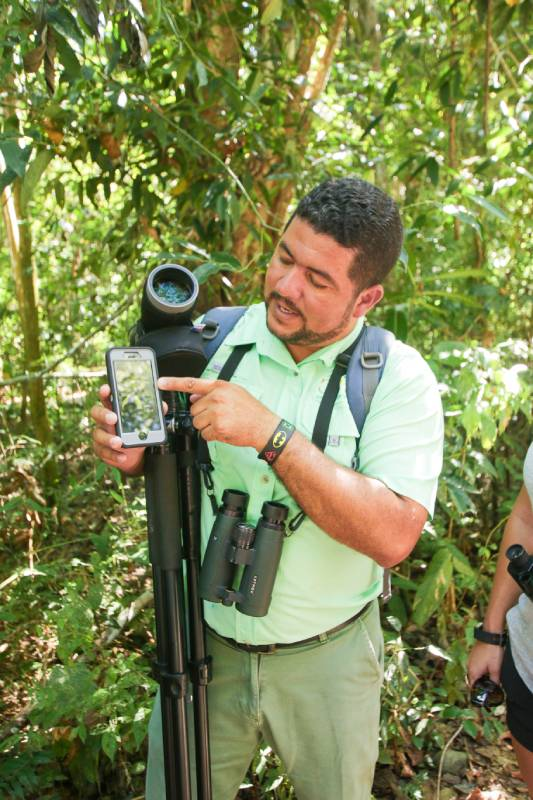
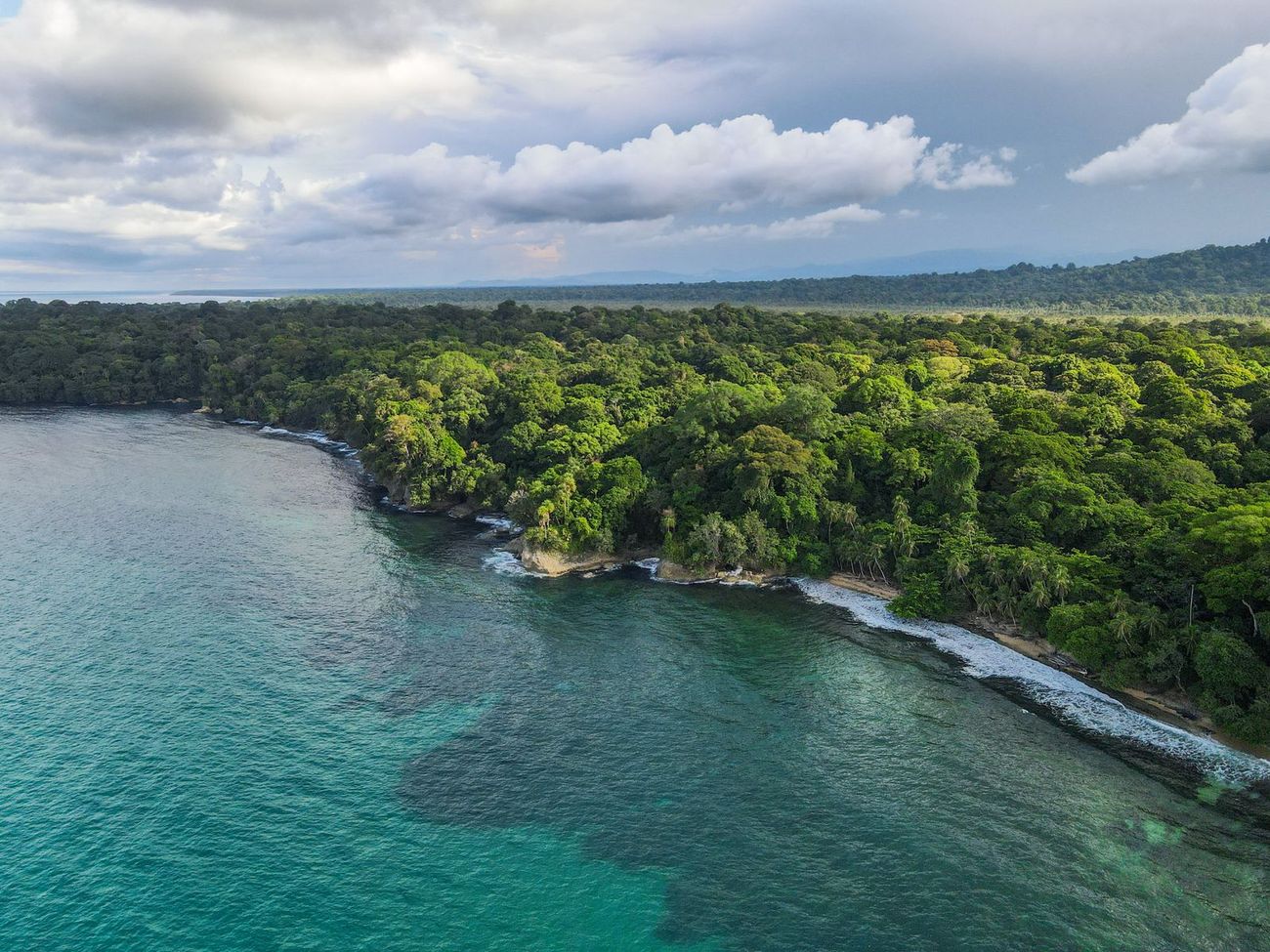
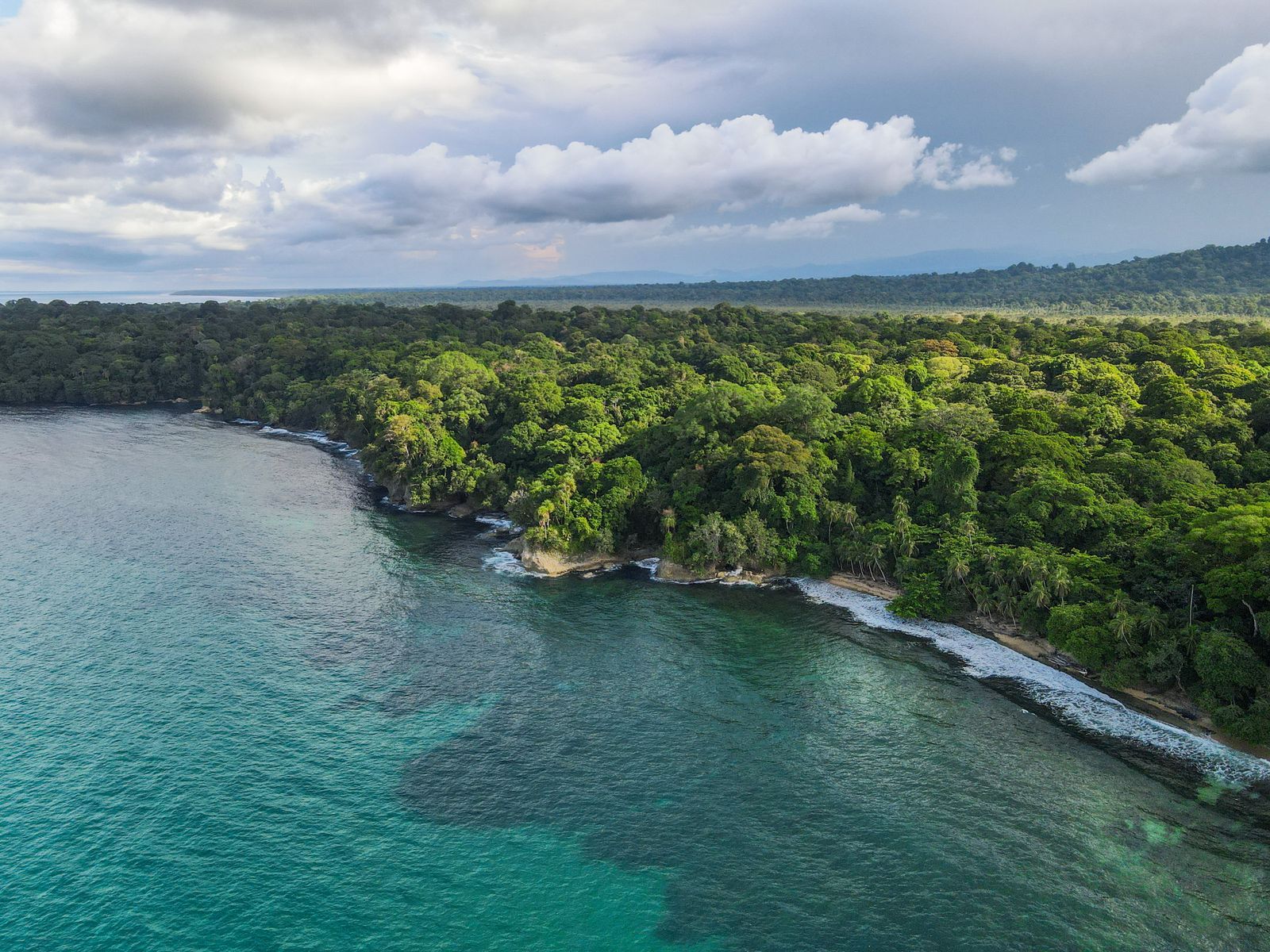
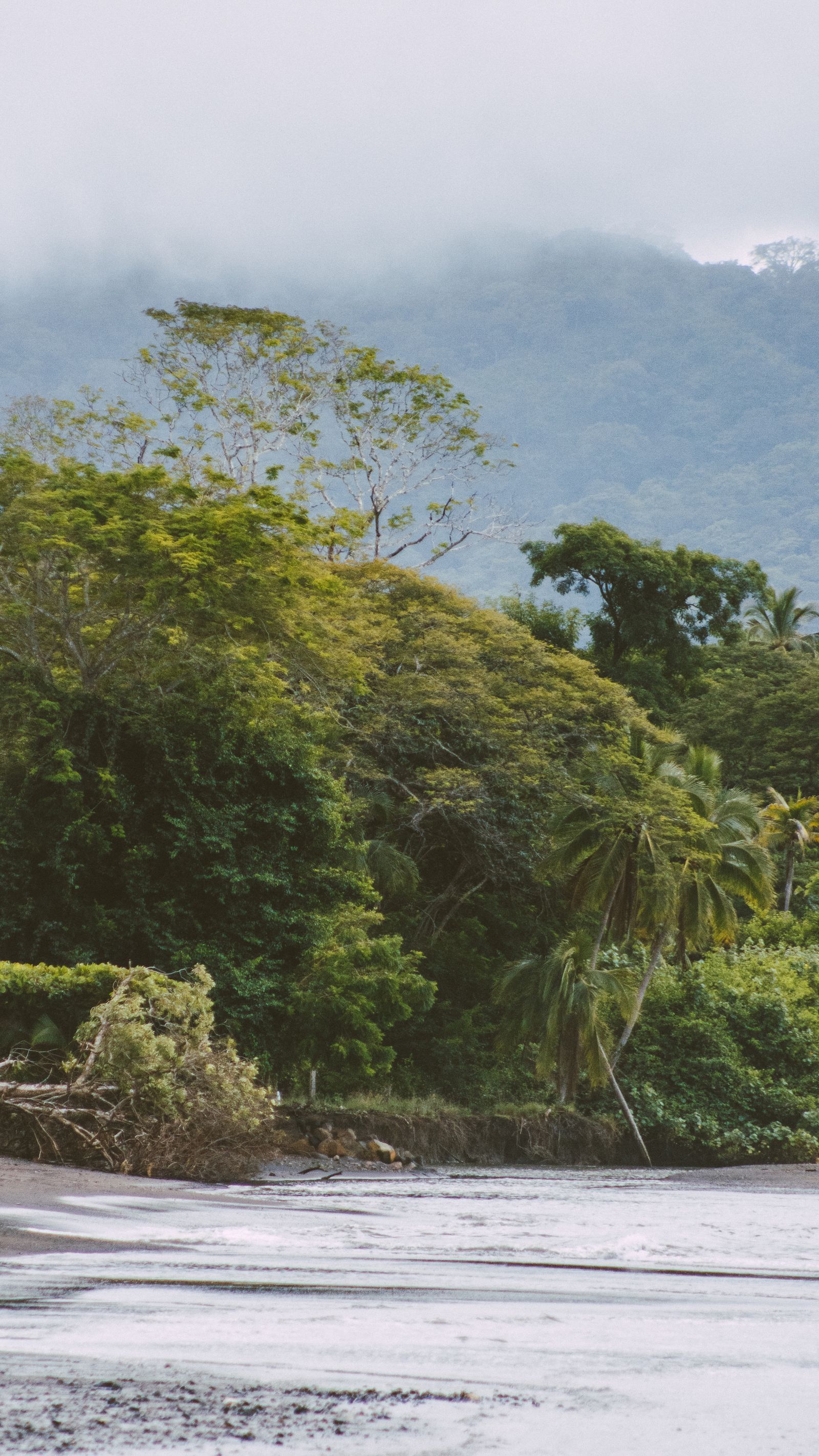
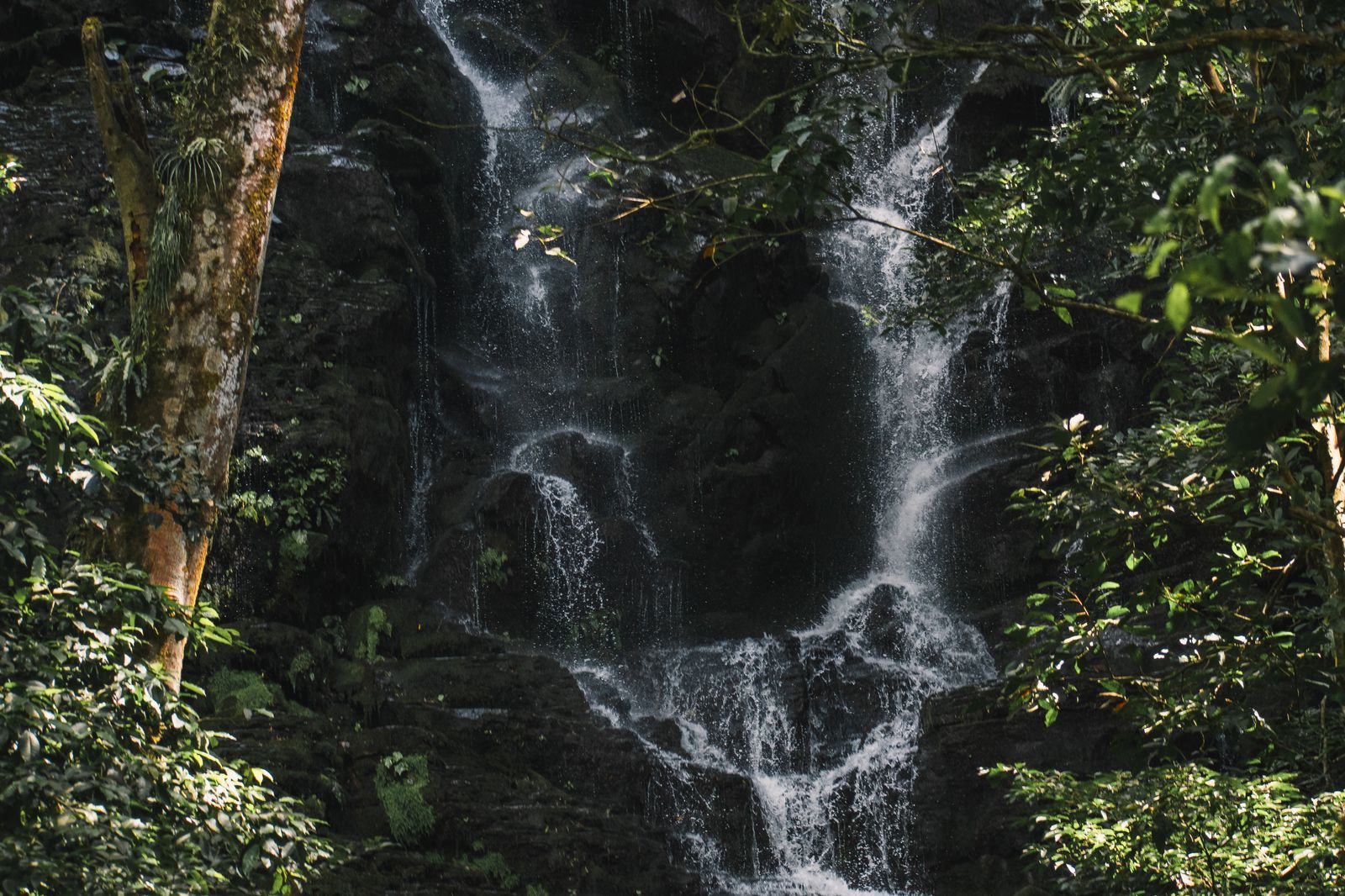
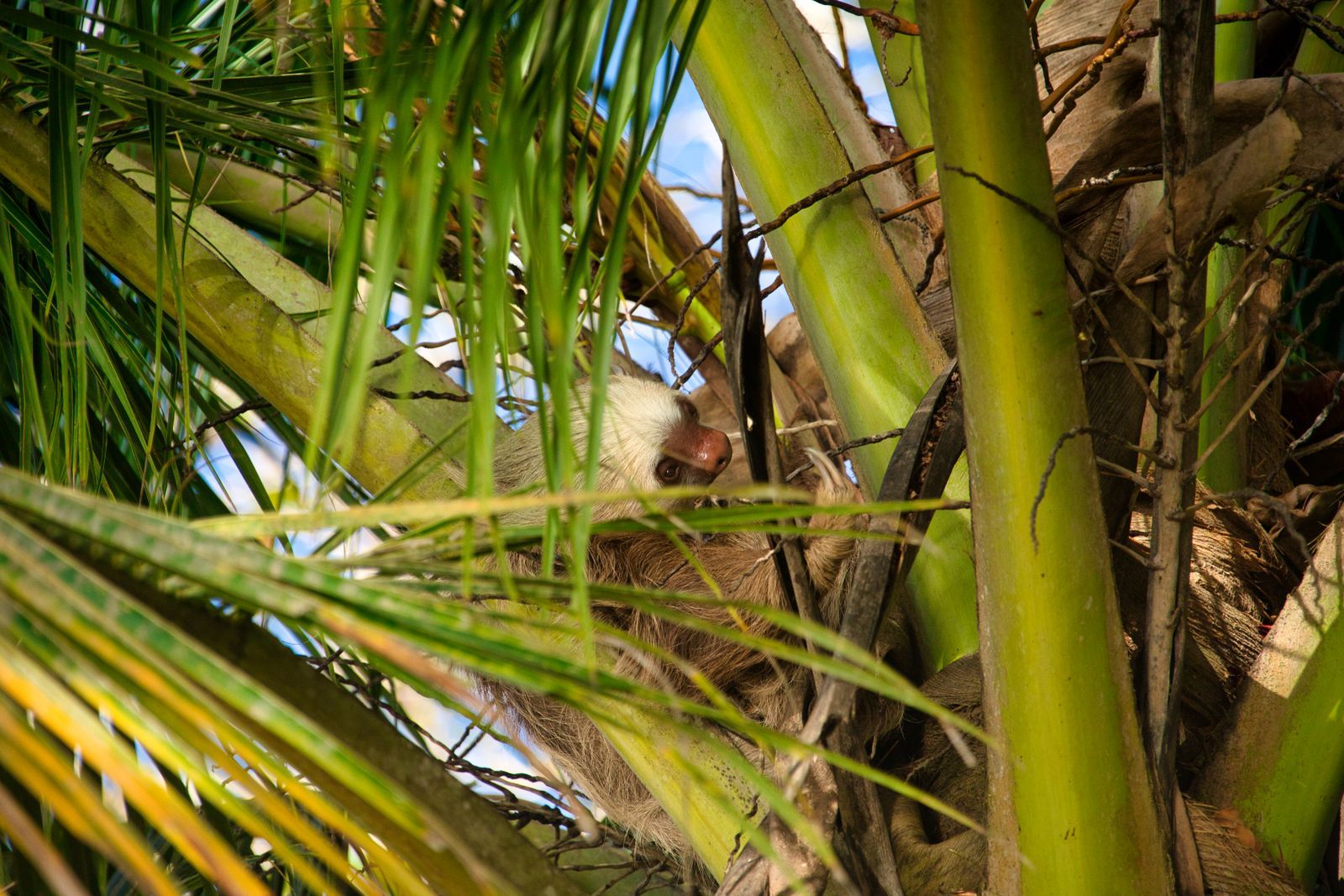
The BBC spotlights the Osa Peninsula, where rainforest meets sea. This region alone contains 2.5% of the world’s known land species. Visitors wake up to howler monkey cries, paddle through bioluminescent mangrove channels at night, and surf big waves along the coast. The peninsula also provides a platform for activities such as guided treks into Corcovado National Park, where participants practice breath work, meditation, or yoga before departing.
Access to these destinations will improve in 2026, with additional direct flights from San José to Puerto Jiménez. This modification shortens travel time and allows more visitors to visit the southern Pacific coast without extensive drives or boat excursions. It is consistent with broader initiatives to increase protected areas on land and in the seas. Local groups and national partners collaborate to build jaguar corridors in the forests and protect migratory sharks in offshore areas.
These efforts aim to preserve biodiversity and promote sustainable tourism in the region. By enhancing accessibility and conservation efforts, Corcovado National Park will continue to attract visitors seeking a unique and enriching experience in Costa Rica’s natural wonders.
This effort relies heavily on community-led projects. Residents run surf schools to teach skills and promote ocean health. Eco-lodges and retreats use practices such as solar electricity and wastewater recycling. One example is a program that works with conservation organizations to conserve sea turtles by allowing tourists to join in nesting patrols and releases. These steps demonstrate how tourism can benefit rather than damage conservation efforts.
By involving the local community in sustainable tourism initiatives, Corcovado National Park not only preserves its natural beauty but also supports the livelihoods of those who call it home. This collaborative approach ensures that future generations can continue to enjoy and learn from this biodiverse ecosystem.

Costa Rica’s long history of environmental leadership lends credence to this plea. Deforestation was reversed decades ago, and forests currently cover about 60% of the country’s area. A fifth of the territory is under legal protection. The national strategy aims to achieve carbon neutrality by 2050, driving decisions ranging from energy use to land management.
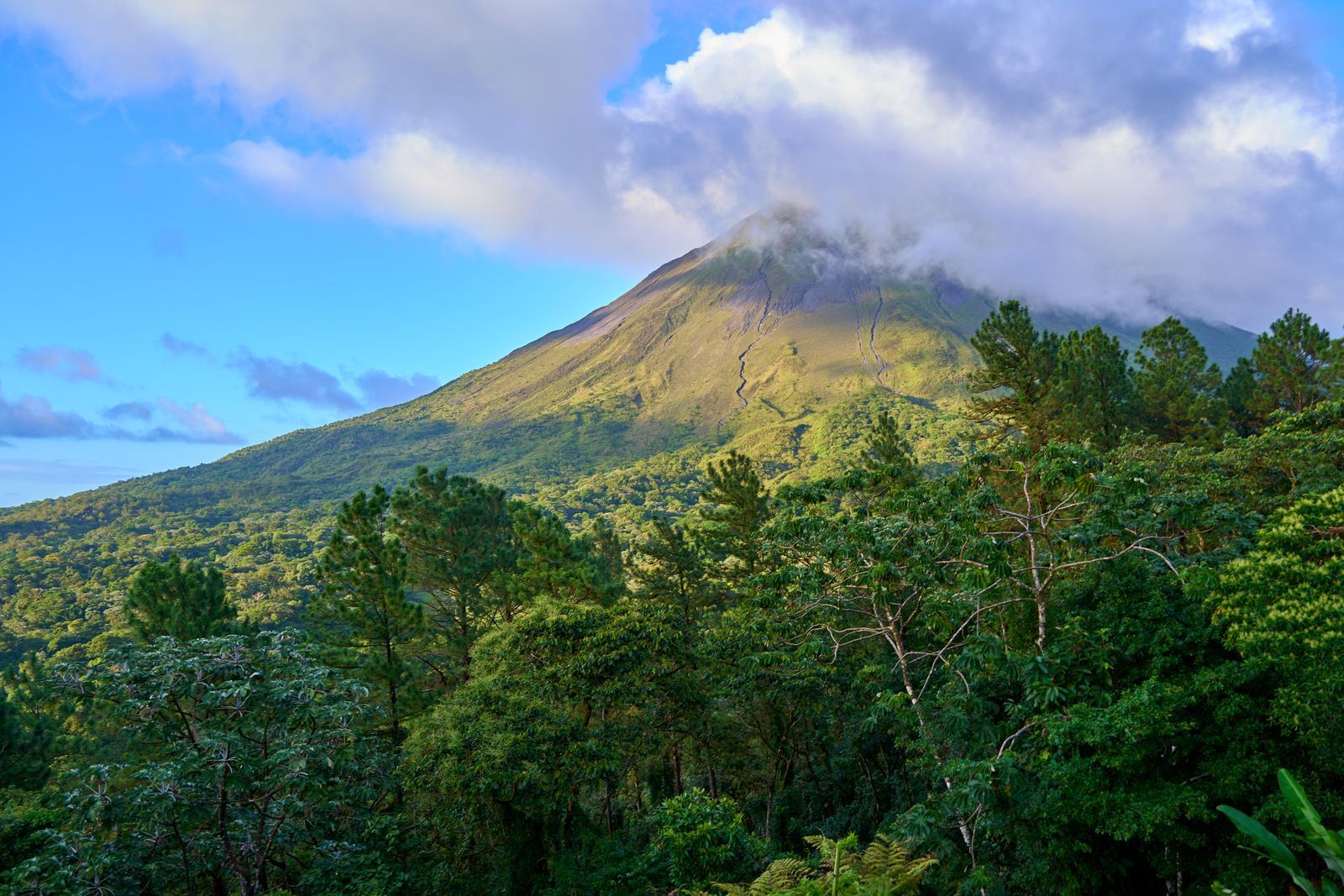
Aside from the Osa Peninsula, other regions have similar attractions. Hikers can follow paths through misty peaks around volcanoes, while colonial communities use artifacts and legends to demonstrate pre-Columbian beginnings. Surfers and people looking for a quiet vacation frequent the beaches on both coasts. According to the BBC, Costa Rica blends wildlife and wellness, with a typical day consisting of spotting macaws above coves and relaxing in thermal springs.

This listing comes at a time when global travel is shifting toward more responsible choices. People seek out places where their visits result in positive effects, such as paying ranger patrols or supporting artisan products. In Costa Rica, this means that tourism funds benefit communities that care for the land.
The BBC’s recognition of Costa Rica’s example enhances our pride. It also indicates a probable increase in tourist numbers, prompting calls for balance. Officials highlight that any growth must follow sustainable principles, ensuring that natural locations are preserved for future generations.
As 2026 approaches, Costa Rica prepares to welcome people attracted by the BBC’s piece.
Conclusion
For us at Epic Adventures, Costa Rica is a source of validation for our commitment to responsible tourism practices. We are excited to showcase our beautiful country and provide unforgettable experiences while prioritizing environmental conservation.
Reference:
Times, T. (2025, December 11). Costa Rica Made BBC’s 2026 Best Destinations List : The Tico Times | Costa Rica News | Travel | Real Estate. Retrieved December 15, 2025, from The Tico Times | Costa Rica News | Travel | Real Estate website: https://ticotimes.net/2025/12/11/costa-rica-made-bbcs-2026-best-destinations-list